





ChatGPT Latest Features: What’s New in 2026?
ChatGPT Latest Features! ChatGPT’s 2026 updates bring significant upgrades across multimodal processing, real-time search, memory retention, security, and enterprise integrations. These ChatGPT...

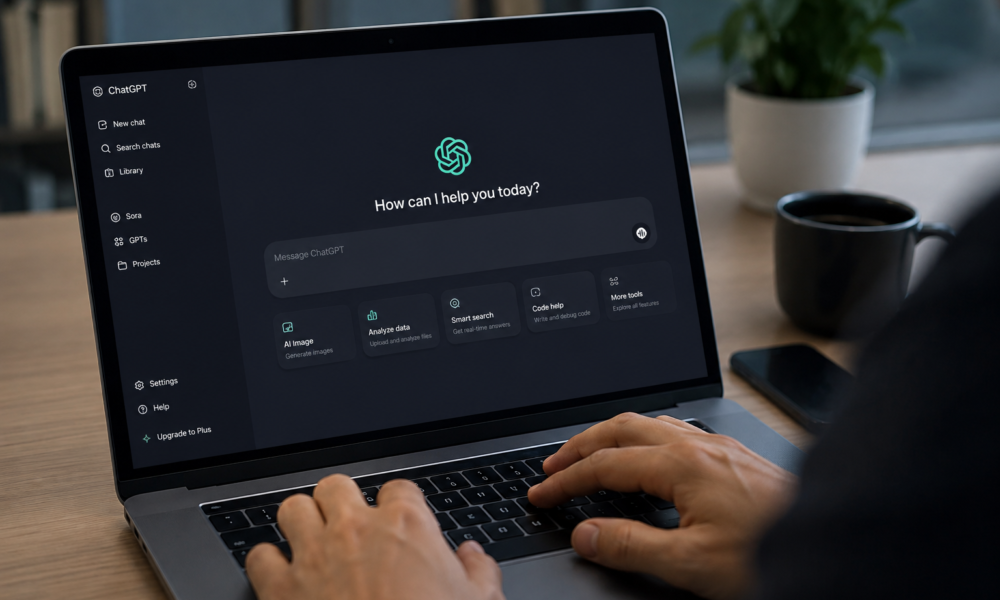
ChatGPT Latest Features! ChatGPT’s 2026 updates bring significant upgrades across multimodal processing, real-time search, memory retention, security, and enterprise integrations. These ChatGPT latest features make the AI platform faster, safer, and more versatile for both individual users and large organizations.
Table Of Content
- ChatGPT Latest Features: Enhanced AI Capabilities
- How has ChatGPT’s multimodal processing improved in 2026?
- What does real-time internet search integration mean for ChatGPT users?
- How has ChatGPT’s code generation improved?
- What improvements have been made to ChatGPT’s memory and context retention?
- ChatGPT Latest Features: User Experience Improvements
- What personalization and interface options are available in ChatGPT in 2026?
- How have ChatGPT’s voice interaction features changed?
- Is ChatGPT faster in 2026?
- ChatGPT Latest Features: Security and Privacy Enhancements
- What security upgrades are included in the 2026 ChatGPT latest features?
- ChatGPT Latest Features: Integration and Compatibility
- What new API capabilities are available for developers in 2026?
- How does ChatGPT integrate with third-party applications in 2026?
- What enterprise deployment options does ChatGPT offer?
- ChatGPT Latest Features: 2026 vs. 2025 Comparison Table
- How Businesses Can Leverage ChatGPT Latest Features
- How can businesses use ChatGPT for customer service automation?
- What are the best ChatGPT use cases for content creation and marketing?
- How can ChatGPT support data analysis and business intelligence?
- How do the ChatGPT latest features improve workforce productivity?
- Frequently Asked Questions About ChatGPT Latest Features
- Start Using the ChatGPT Latest Features Today
OpenAI has never stood still. Since ChatGPT first launched in late 2022, each year has brought a new wave of capabilities that redefined what an AI platform could do. By 2026, the pace of development has accelerated dramatically—and the platform looks almost unrecognizable compared to its early iterations.
For businesses, developers, and everyday users, keeping up with the ChatGPT latest features isn’t optional. The updates rolling out in 2026 directly affect how teams automate workflows, how developers build AI-powered products, and how individuals get value from their daily interactions with the tool.
This guide covers every major update in detail. From enhanced multimodal processing and real-time internet search to enterprise-grade security and a growing plugin ecosystem, here’s everything you need to know about the ChatGPT latest features in 2026—and how to put them to work.
ChatGPT Latest Features: Enhanced AI Capabilities
How has ChatGPT’s multimodal processing improved in 2026?
One of the most significant upgrades in the ChatGPT latest features set is the leap in multimodal processing. ChatGPT can now handle text, images, audio, video, and structured data within a single conversation—without switching modes or losing context between them.
Earlier versions handled these input types in a more siloed fashion. The 2026 update allows users to upload a product image, ask a follow-up question in voice, and receive a structured text response—all within one seamless interaction. For businesses analyzing visual data or creating multimedia content, this is a meaningful shift.
What does real-time internet search integration mean for ChatGPT users?

ChatGPT’s real-time internet search capability has matured considerably. The 2026 version delivers more accurate, source-cited web results directly within conversations, pulling from live data rather than a static training cutoff.
This means users no longer need to cross-reference answers manually. ChatGPT now cites sources inline, making it easier to verify information and build on real-time data in professional settings. For market research, breaking news summaries, and competitive analysis, this feature changes the game.
Learn more about how OpenAI approaches real-time search in their official research blog.
How has ChatGPT’s code generation improved?
Developers have long used ChatGPT as a coding assistant. The 2026 ChatGPT latest features include upgraded code generation and debugging tools that support more programming languages, offer multi-file project awareness, and can identify logic errors with greater precision.
ChatGPT can now review an entire codebase (shared via file upload or API), identify bugs, suggest refactors, and generate unit tests—all in one session. This makes it a practical tool for software teams, not just solo developers experimenting with AI.
What improvements have been made to ChatGPT’s memory and context retention?
Memory is one of the most-requested improvements from users, and the 2026 update delivers. ChatGPT’s enhanced memory system now retains preferences, past decisions, and project context across sessions—without requiring users to re-explain their situation every time.
Users can manage what ChatGPT remembers through a dedicated memory dashboard, giving them control over what’s stored and what’s deleted. For businesses running ongoing projects through ChatGPT, this dramatically reduces friction.
ChatGPT Latest Features: User Experience Improvements
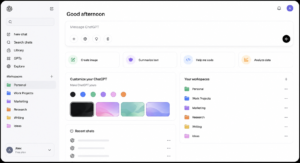
What personalization and interface options are available in ChatGPT in 2026?
The 2026 interface overhaul introduces customizable dashboards, workspace themes, and conversation organization tools. Users can now create project folders, pin frequently used prompts, and set default response formats (e.g., always respond in bullet points, always include a summary).
These might sound like small quality-of-life improvements, but for power users managing multiple workstreams through ChatGPT, they reduce friction significantly.
How have ChatGPT’s voice interaction features changed?
Voice interaction has moved from a novelty to a genuinely useful feature. ChatGPT’s 2026 voice mode supports natural, back-and-forth conversation with improved voice recognition accuracy and more natural-sounding responses.
Latency has dropped, making the interaction feel closer to a real conversation. Users can interrupt mid-response, ask clarifying questions, and switch between voice and text fluidly. For accessibility and hands-free use cases, this is a major step forward.
Is ChatGPT faster in 2026?
Yes. OpenAI has made meaningful infrastructure improvements that reduce response generation time—even for complex, long-form tasks. Heavy requests like generating detailed reports or analyzing lengthy documents now return results faster than in previous versions.
The mobile app has also seen performance improvements, with a more responsive interface and reduced load times on lower-bandwidth connections.
ChatGPT Latest Features: Security and Privacy Enhancements

What security upgrades are included in the 2026 ChatGPT latest features?
Security has become a top priority as ChatGPT moves deeper into enterprise environments. The 2026 update introduces:
- Improved data encryption protocols — end-to-end encryption for conversations in enterprise plans
- Enhanced user privacy controls — granular settings for data retention, sharing, and model training opt-outs
- Global compliance support — alignment with GDPR, CCPA, and other regional data protection standards
- Enterprise-grade security features — SSO (Single Sign-On), audit logs, role-based access control, and dedicated deployment environments
For organizations in regulated industries—healthcare, finance, legal—these updates make ChatGPT a far more viable option for sensitive workloads.
OpenAI maintains a detailed trust and safety page with information on their security practices and compliance frameworks.
ChatGPT Latest Features: Integration and Compatibility
What new API capabilities are available for developers in 2026?
The ChatGPT API has expanded significantly. Developers now have access to:
- Longer context windows — supporting larger documents and codebases in a single API call
- Function calling improvements — more reliable structured outputs for complex application workflows
- Streaming enhancements — real-time token streaming for faster UI rendering in third-party apps
- Fine-tuning support — expanded fine-tuning capabilities for building specialized AI models on top of ChatGPT
OpenAI’s developer documentation provides full technical references for the updated API.
How does ChatGPT integrate with third-party applications in 2026?
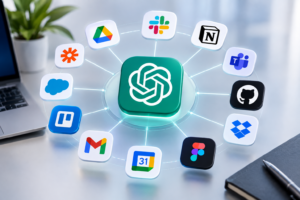
The plugin ecosystem has grown substantially. ChatGPT now integrates natively with tools like Google Workspace, Microsoft 365, Slack, Notion, Salesforce, and Zapier—reducing the need for custom integration work.
For enterprise teams, these integrations mean ChatGPT can pull real-time data from CRM systems, update project management tools, and summarize emails directly from an inbox—without leaving the ChatGPT interface.
What enterprise deployment options does ChatGPT offer?
Enterprise customers can now deploy ChatGPT in private cloud environments, with dedicated instances that keep company data isolated from the shared model. This addresses a major blocker for large organizations with strict data governance requirements.
ChatGPT Latest Features: 2026 vs. 2025 Comparison Table
|
Feature |
ChatGPT (2025) |
ChatGPT (2026) |
|---|---|---|
|
Multimodal Input |
Text, image, basic audio |
Text, image, audio, video, structured data |
|
Real-Time Search |
Limited, inconsistent citations |
Full integration with inline source citations |
|
Memory Retention |
Basic cross-session memory |
Advanced memory with user-managed dashboard |
|
Code Generation |
Single-file, limited debugging |
Multi-file projects, logic error detection, test generation |
|
Voice Interaction |
Basic voice mode, high latency |
Natural conversation, low latency, interruptible |
|
Response Speed |
Moderate |
Significantly faster, improved mobile performance |
|
Privacy Controls |
Standard opt-out settings |
Granular data controls, training opt-outs, audit logs |
|
Enterprise Security |
Basic SSO |
SSO, RBAC, audit logs, dedicated cloud environments |
|
API Context Window |
128K tokens |
Significantly expanded |
|
Third-Party Integrations |
Limited plugin support |
Native integrations with 20+ major platforms |
|
Compliance Support |
GDPR-aligned |
GDPR, CCPA, and additional regional standards |
|
Fine-Tuning |
Limited |
Expanded fine-tuning capabilities |
How Businesses Can Leverage ChatGPT Latest Features
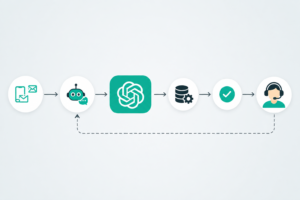
How can businesses use ChatGPT for customer service automation?
With improved memory, real-time search, and deeper integrations, ChatGPT is now a credible backbone for customer service automation. Businesses can deploy ChatGPT-powered assistants that remember customer history, pull live order data from CRM systems, and escalate to human agents when needed.
The result: faster resolution times, lower support costs, and more consistent customer experiences.
What are the best ChatGPT use cases for content creation and marketing?
Marketing teams are among the heaviest users of ChatGPT’s content capabilities. The 2026 ChatGPT latest features make it even more useful for:
- Long-form content creation — blog posts, whitepapers, and case studies generated with brand voice consistency
- Social media content — platform-specific copy across LinkedIn, Instagram, X, and more
- SEO research — real-time keyword analysis and content gap identification using live search data
- Ad copy testing — generating multiple variations quickly for A/B testing
How can ChatGPT support data analysis and business intelligence?
ChatGPT’s ability to process structured data files (CSV, Excel, JSON) and generate insights has improved. Business analysts can upload datasets, ask natural language questions, and receive summaries, visualizations, and recommendations—without writing a single line of SQL.
For smaller organizations without dedicated data science teams, this democratizes access to meaningful data insights.
How do the ChatGPT latest features improve workforce productivity?
Across departments, the 2026 ChatGPT latest features reduce time spent on repetitive cognitive tasks:
- HR teams can draft job descriptions, screen resumes, and create onboarding materials
- Legal teams can summarize contracts and flag key clauses
- Finance teams can generate reports and analyze budget data
- Operations teams can automate documentation and process mapping
According to McKinsey’s research on AI adoption (McKinsey Global Institute), generative AI tools have the potential to automate up to 70% of repetitive knowledge work tasks. ChatGPT’s 2026 updates push it closer to realizing that potential.
Frequently Asked Questions About ChatGPT Latest Features
What are the most important ChatGPT latest features added in 2026?
The standout additions include advanced multimodal processing (video and audio input), real-time internet search with inline citations, cross-session memory management, expanded enterprise security, and native integrations with major platforms like Google Workspace and Salesforce.
Is ChatGPT’s real-time search feature available on all plans?
Real-time search integration is available across multiple ChatGPT plans, though access levels may vary. Enterprise and Pro users typically receive priority access to the latest capabilities. Check OpenAI’s pricing page for current plan details.
How does ChatGPT’s improved memory work in 2026?
ChatGPT’s memory system stores user preferences, project context, and past decisions across sessions. Users can view, edit, and delete stored memories through a dedicated memory dashboard, giving them full control over what the AI retains.
Can developers access the ChatGPT latest features through the API?
Yes. Most 2026 updates—including expanded context windows, improved function calling, and fine-tuning support—are accessible via the ChatGPT API. Full documentation is available on the OpenAI developer platform.
Is ChatGPT compliant with GDPR and other privacy regulations in 2026?
OpenAI has expanded its compliance support to include GDPR, CCPA, and additional regional data protection standards. Enterprise plans include dedicated cloud environments to help organizations meet their specific data governance requirements.
How does ChatGPT compare to other AI platforms in 2026?
ChatGPT competes primarily with Google Gemini, Anthropic Claude, and Microsoft Copilot. Each platform has distinct strengths. ChatGPT’s advantages include its extensive plugin ecosystem, advanced memory features, and strong developer API. For a detailed comparison, resources like G2 and TechRadar regularly publish up-to-date AI platform reviews.
Start Using the ChatGPT Latest Features Today
The 2026 ChatGPT updates represent the most comprehensive upgrade the platform has seen since its launch. Enhanced multimodal capabilities, smarter memory, real-time search, enterprise-grade security, and a growing integration ecosystem collectively make ChatGPT a more powerful tool for a wider range of users and use cases.
For individuals, these updates mean more personalized, context-aware interactions that save time and reduce friction. For businesses, they open up new possibilities for automation, data analysis, and customer engagement—at scale.
The pace of AI development shows no signs of slowing. Staying current with the ChatGPT latest features isn’t just about keeping up—it’s about identifying which capabilities can create real competitive advantage for your specific context.
Explore the full feature set at chat.openai.com and discover which updates can make the biggest impact on your workflow.






[…] ChatGPT Latest Features: What’s New in 2026? […]
[…] ChatGPT Latest Features: What’s New in 2026? […]